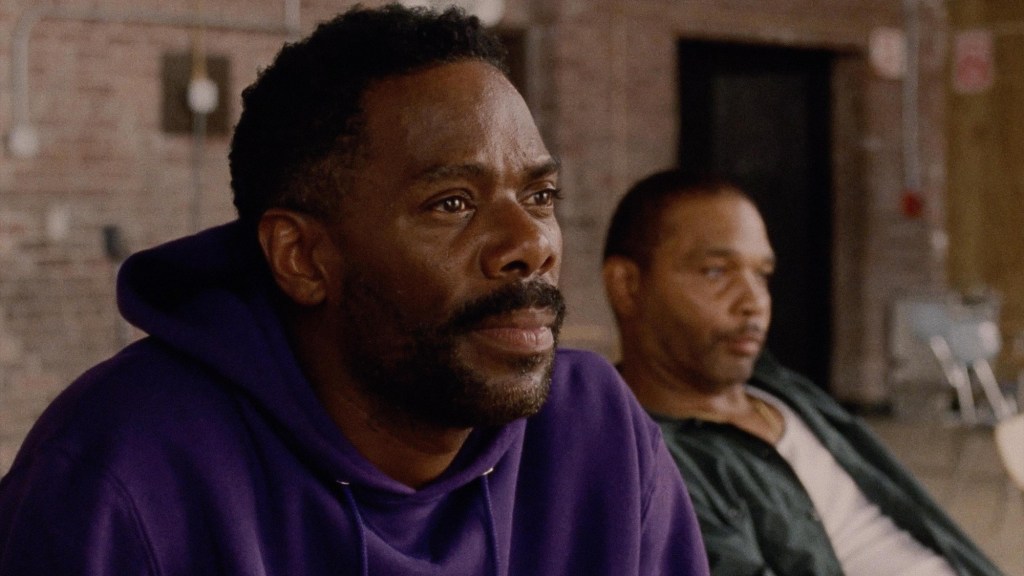
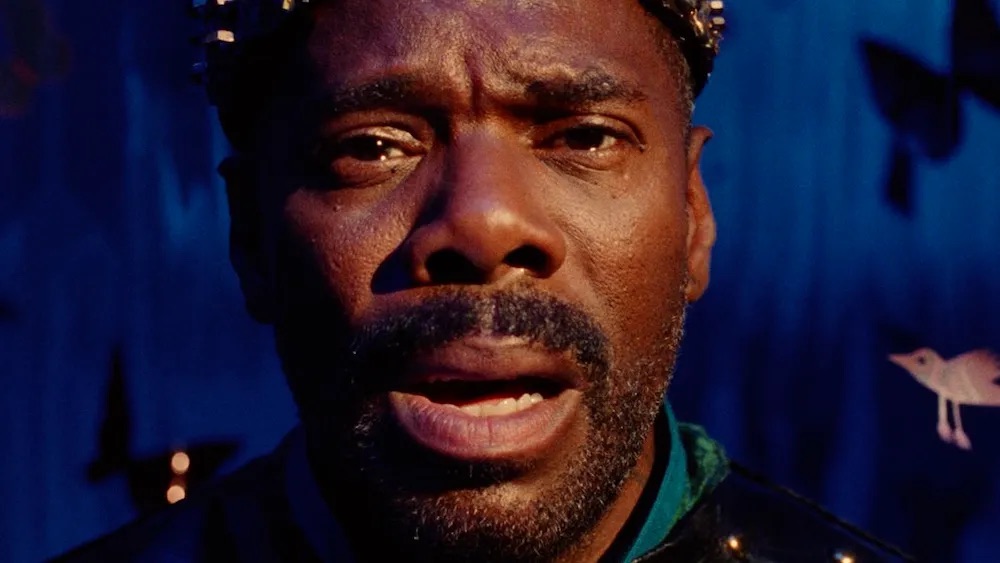
Storytelling has always been a powerful tool. It has allowed us to perform in a way that can free us or find sides of ourselves we never knew we had. Storytelling is fascinating because it is limited to no one regardless of life circumstances. SING SING directed by Greg Kwedar is storytelling at its most intimate, both in its filmmaking and its recognition of the vulnerability of men expressed on screen by performers of all such. It is that rare movie when watching it you realize you are witnessing something truly magic come before you and you try to savor every second. It is a tale of imprisoned men and their only outlet to safely be themselves in a system that wants to tear them down and make them feel like hope is long gone. But what any system of oppression or correction does not realize is that art and true performance can allow anyone to break free from their bars of confinement. SING SING does not seek out to excuse the wrongdoings of its subjects but rather show nobody should have their expression of a voice and humanity stripped away. A film that focuses on the brotherhood that can be formed far beyond any prison walls and bring them to a better time once outside the gate, or if enclosed forever at least discover there are ways to shout out all your frustration and pain and form it into something joyous and allow control and most importantly self-love back into your life.
Divine G (Colman Domingo) has been in Sing Sing Correctional Facility for too long and goes from accepting his days to losing faith. If you’re not familiar with Sing Sing it’s an hour outside of the glitz and glamour of New York City straight up the Hudson allowing the well known prison phrase “up the river” to take life. Divine has been sentenced to 25 to life in the maximum security. His crime? Murder in the second. His part in the crime? Innocent. Divine has spent his time in Sing Sing trying to appeal his case and find the evidence to prove his innocence. In the meantime he has spent his years forming the RTA program (Rehabilitation through the Arts) where he runs the theater program. A program that puts on plays from Shakespeare to Divine’s own stories. A performer in his free days Domingo as Divine carries himself in that theater loving way that has made him one of the more respectable artists of this generation. Domingo is a performer and teacher that adores the art of storytelling and it’s seen in Divine a man who has brought his passion into a place that tries to destroy it. The film co-written by Kwedar and Clint Bentley is based on the John H. Richardson Esquire article “The Sing Sing Follies” but even more important it is inspired and extracted from the real life plays performed by the true John Divine G Whitfield and the Sing Sing RTA troupe. It comes to mind early on that many of the performers in this film are first time screen actors because they are the real life former prisoners portraying versions of themselves. This realization comes not through a lack of skill but the complete opposite. The ensemble brings authenticity to every frame that you can’t help but tear up just from getting to know a small part of their large story.
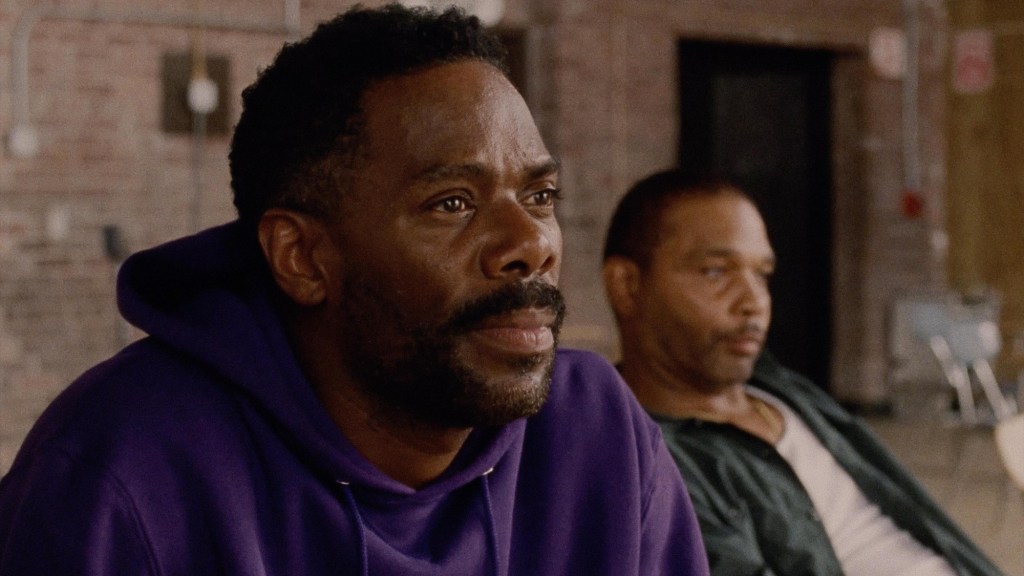
Kwedar opens his film allowing us to know two things. One Divine is a mesmerizing performer and two everyone in the prison loves the performances. Their show last season was A Midsummer Night’s Dream but this time around a newcomer Divine Eye (Clarence Maclin also playing a quasi version of himself and giving a breakout performance) states what many have been thinking. “Why must we keep performing tragedy?” In his words they deal with tragedy in real life everyday so why not a comedy. A moment that allows this to standout is that Divine G while balking at how he does not write comedies still accepts since it’s what the group wants and he’s happy to oblige. It’s a refreshing look at how he even though prison may hold violent men it does not mean those ways always continue once inside. There is a strong bond already formed and while newcomers can be seen as a threat to this it is quickly washed away for the greater good or the plays. SING SING with all its captivating performances also holds you with its calming editing and score from The National’s Bryce Dessner. Scenes where the group is now practicing their strange new comedy, that involves everything from time travel to Freddy Krueger, is mixed together with a soothing camera work that focuses on the deep expressions of all the performers faces and we can see not only does this program better them but they in return better the program for future members. It’s not a position any of them want to be in nor do they wish it upon any but there is a strong recognition not many men especially men of color will have the unfortunate experience of being locked up. With this being the truth then the least they can do for themselves and others is find their own authenticity.
SING SING has a large ensemble and thankfully gives time to many outside of Domingo to shine. As mentioned before Clarence Maclin delivers what is the definition of a star making performance. His role of prison dealer Divine Eye always holds a confidence that is riddled with pain. You are never afraid of him but rather afraid for him and what he has done to himself and further what prison continues for him. Other members (all former inmates) get moments of levity that show these men know they did wrong but this does not mean the prison system needs to be a normal reality. Avoiding all tropes of former and lesser prison films SING SING always rises above with its authentic behaviors and even more so with its exposure of male vulnerability something that is expressed through RTA manager Brent (a welcomed Paul Raci). Toxic masculinity has been a staple in nearly every drama of the last ten years (some much needed others not so much) but SING SING shows that this toxicity can be expressed through vulnerability and honesty and not through violence and aggression something again many prison movies tend to ignore.
Before SING SING started its premiere at the South by South West Festival it was greeted with a standing ovation for Colman Domingo but by the time it ended it was met with a full one for the entire cast and crew. A sign of respect for the film and even more so all the work the real life prisoners (many who were in attendance) have done for themselves and others. As Divine G’s story finds its ending in the film there is already a real life story continuing. One that pleads for the humanity in other to see that this program not only works inside the prison but has allowed for members of the RTA to reduce the re-entry rate to just 3%. Much like the film itself it is a remarkable accomplishment of freedom, passion and above all else love for the theater and entertaining others. End scene.
A
SING SING HAD ITS U.S. PREMIERE AT THE SOUTH BY SOUTH WEST FILM FESTIVAL. IT WILL BE RELEASED LATER THIS YEAR BY A24
 No assembly RequireD
Leave a comment