
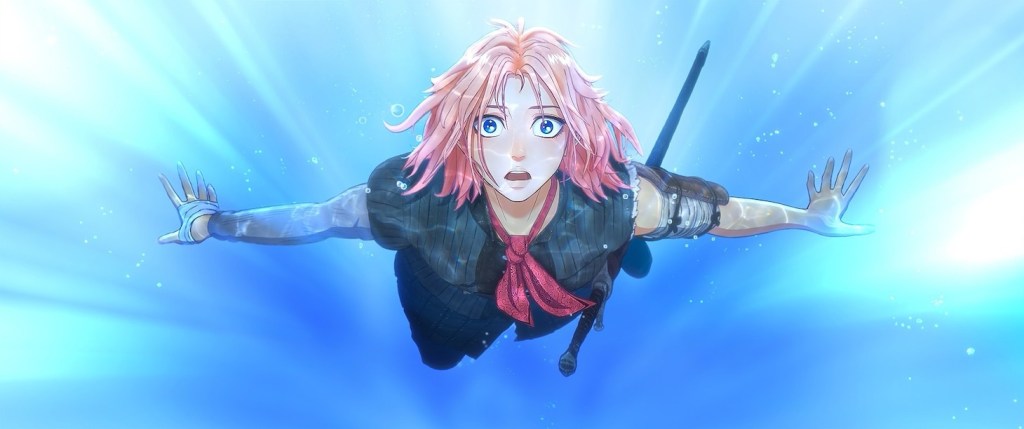
One thing is certain, Mamoru Hosoda wants the world to be a kinder more gentle place. The director and animator who has nearly the last twenty years directing vibrant and often kind hearted films seems to be the kind of person who understands it can be easier said than done. However even if he characters struggle to see the goodness in everyone Hosoda directs with such belief that we can do better because we truly want to. Sometimes this is meant with hesitation and deeper criticism of his work whether it be “The Girl Who Leapt Through Time,” “Belle” or his latest “Scarlet.” His films in no way receive the unanimous praise that say the ground breaking Studio Ghibli receives right on schedule. However Hosoda and his films always have a resilience that can help lift up some areas that still find its way to a struggle. SCARLET, his latest fits the same bill, a cruel world that sends its lead on a journey hellbent on revenge when in actuality it is compassion and forgiveness that will be her true solace. Blending fantasy, modernism and futuristic science fiction, SCARLET has a lot on its mind in its broad Shakespearean adaption but always manages to find its journey back on a pleasant and stunning path of empathy.
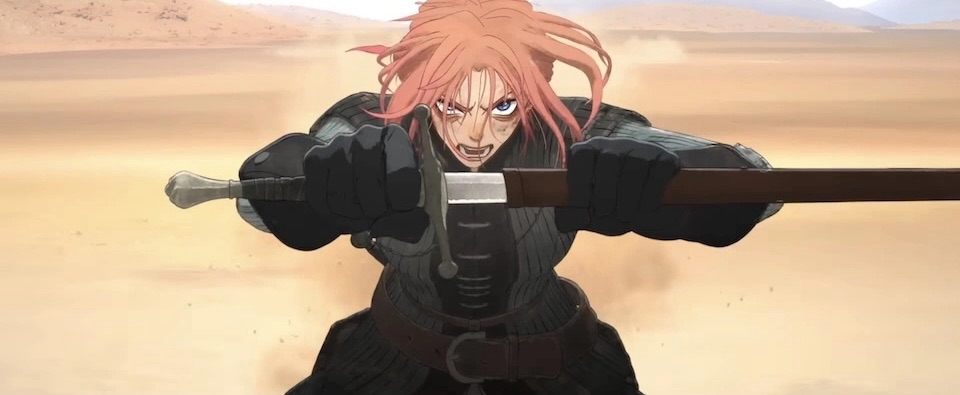
Scarlet is dead. But death does not mean the end. Awoken in a mysterious and barren wasteland, Scarlet’s memories begin to blend between space and time. A once princess, Scarlet, was loved by her father the king and hated by her mother who conspires with the King’s brother to overthrow the castle. SCARLET runs quickly through its set up even with displaying its gorgeous animation that is at first jarring mixing an almost live action quality to its background. But we soon see the King being executed in front of his people leaving Scarlet to spend her years training to seek revenge on her Uncle all before being poisoned herself. Hosoda never runs away from his “Hamlet” inspiration wearing it proudly as SCARLET becomes another interpretation of the infamous tale, and while Hamlet has been performed by countless amounts of performers Scarlet herself is a welcomed heroine from the start. Mana Ashida’s voice performance keeps Scarlet’s tenacity alive while always showing her juvenile tendencies that grow throughout the film. Scarlet discovering the world she is now a part of is visually engaging but does seem to keep the film at a standstill a little before it really gets going. Scarlet learns that this world between worlds and time is where all lost souls seem to wander. And while Scarlet grapples with her new found death, she also discovers that even in this world violence and war dominate over everything. Old enemies from life resurface here including her Uncle Claudius, who has spent his time in an endless pursuit of a land known as the beyond. In doing so he has lied and enslaved those beneath him having them believe if they obey they too will be allowed to follow into the great beyond. Hosoda’s script while engaging struggles to build beyond its own adaptation in these moments.
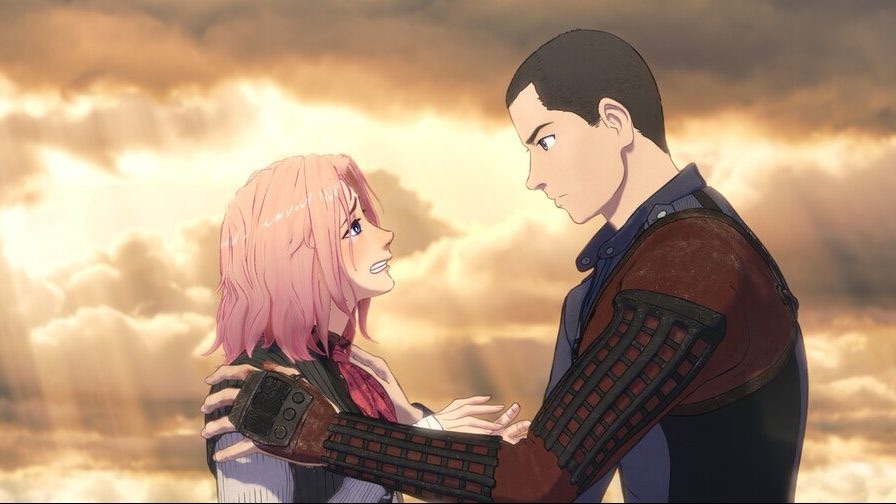
Thankfully Hosoda’s films are never just what they apar to be. And while his fascination with the fantasy is intriguing it is his engagement with science-fiction and the blending of the two that allow his work to surpass others. In “Belle” his Beauty and the Beast retelling entered the world of “The Matrix” and with SCARLET its Hamlet inspirations quickly moves into modern era that feels like a more romantic subplot in a Crichton novel. When Scarlet meets Hijiri (Masaki Okada) a nurse from the far off future (and perhaps our modern times), the film finds itself in a Kid in King Arthur’s Court where the kid is secondary to the lead and still manages to bring in more than enough compassion for the people he meets along the way. There is some easy going humor in watching Hijiri use modern medicine on caravan travelers who in return teach him ancient dance rituals. But even as Scarlet and Hijiri grow closer Hosoda always keeps Scarlet at arm’s length due to her journey of vengeance. This builds greatly as the film takes a proud anti-war platform involving both charming moments of peace and even more brutal moments of destruction. The balance doesn’t always match especially when many of its characters tell the audience exactly how they are feeling rather than let the animation do the speaking. But SCARLET finds itself at its best moments when displaying as tunning array of animation as well as sticking to its otherworldly idea that everyone and everything will one day find each other. Hosoda never a stranger to inserting great original songs into his film finds itself at a midway celebration that highlights the greatest modern musical moments this side of La La Land.
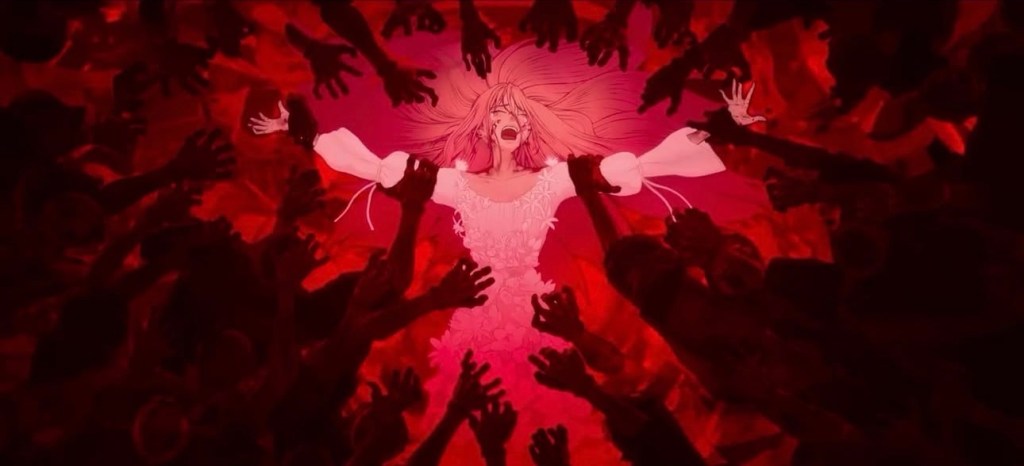
SCARLET may save its best moments for its later half, but it still manages to hold not just your attention but fascination throughout. But there is a clear end goal that sometimes shortens what came before. It helps too that SCARLET features one of if not the most visually stunning moments of Hosoda’s career. It is a moment as it is poetic proving Hosoda’s capability and in a very crowded anime market it is refreshing to see standouts. SCARLET may be a film full of anger and even as its titular character learns better ways to find and accept peace it is Hosoda who continues to be a filmmaker that may indeed have already reached that peace waiting for everyone else to join him with a bright smile on his face.
B
SCARLET SCREENED AT THE NEW YORK FILM FESTIVAL. IT WILL BE RELEASED IN U.S. THEATERS FROM SONY CLASSIC FEBRUARY 6
 No assembly RequireD
Leave a comment